

Cervicogenic dizziness is one of the most challenging and misunderstood conditions in spine care. Patients often describe feeling off‑balance, lightheaded, or even faint — especially with certain neck movements. A recent case report published in Cureus highlights how structural correction of the cervical spine may play a meaningful role in reducing these symptoms.
In this published study, a 29‑year‑old woman experienced severe dizziness and frequent syncope (fainting) whenever she extended her neck. She also struggled with chronic neck pain, upper back pain, and low back pain. Medical testing ruled out vascular causes, but her symptoms persisted and significantly affected her daily life.
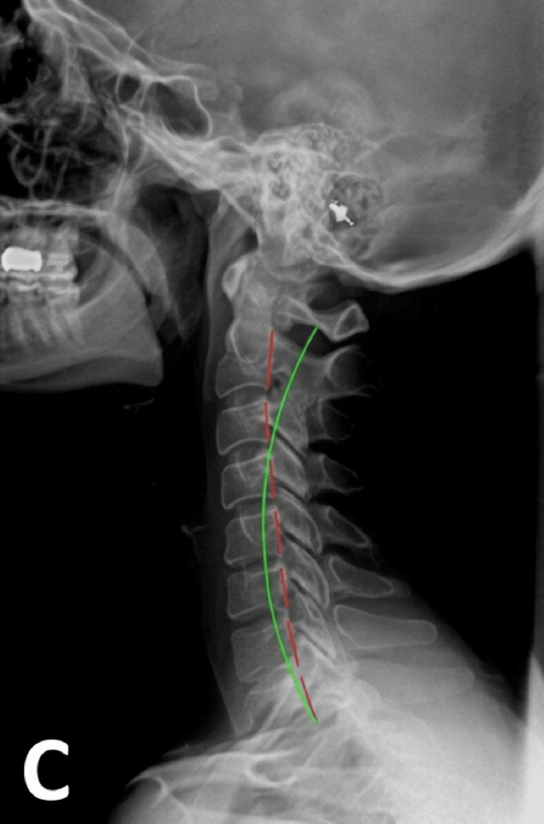
Radiographic analysis revealed a reversed cervical curve (kyphosis) and abnormal head posture. According to the authors, these structural changes may disrupt normal sensory and neurological input from the cervical spine — contributing to dizziness, imbalance, and autonomic symptoms.
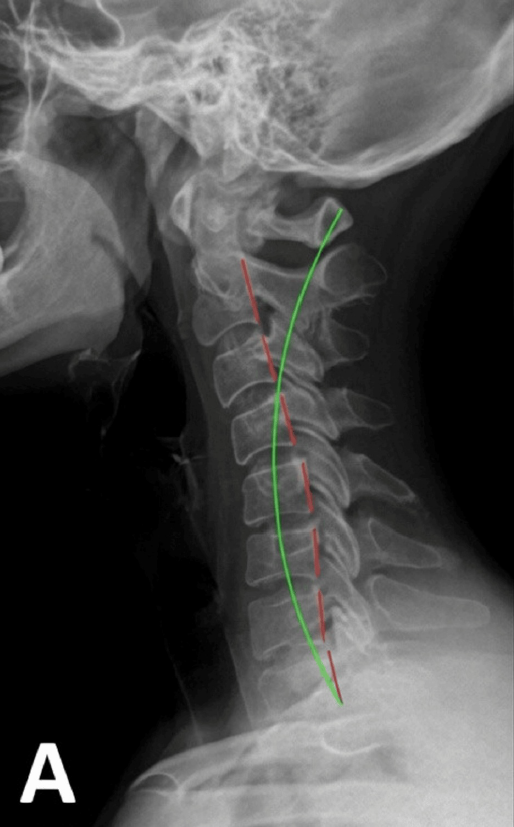
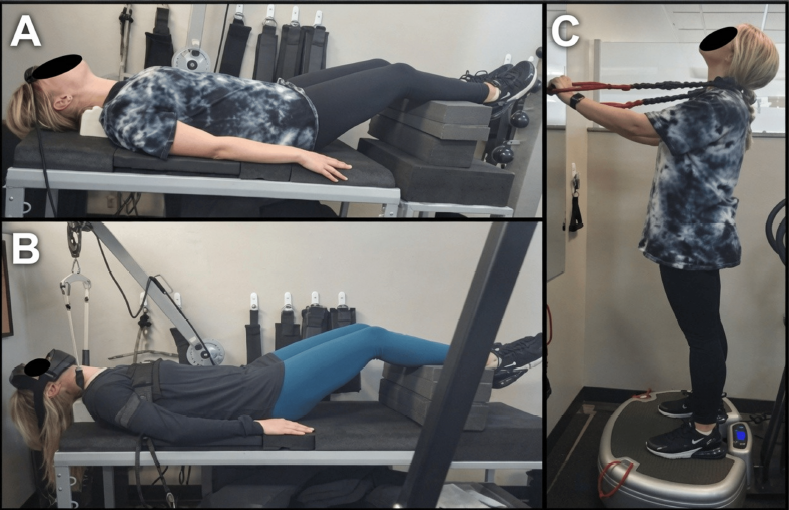
The patient underwent a multi‑modal Chiropractic BioPhysics® (CBP®) rehabilitation program that included mirror‑image exercises, adjustments, and extension traction. Over 5.5 months, her cervical lordosis improved by approximately 26 degrees. More importantly, her dizziness and syncope resolved, her pain scores dropped dramatically, and her disability scores improved from moderate‑to‑severe to nearly zero.
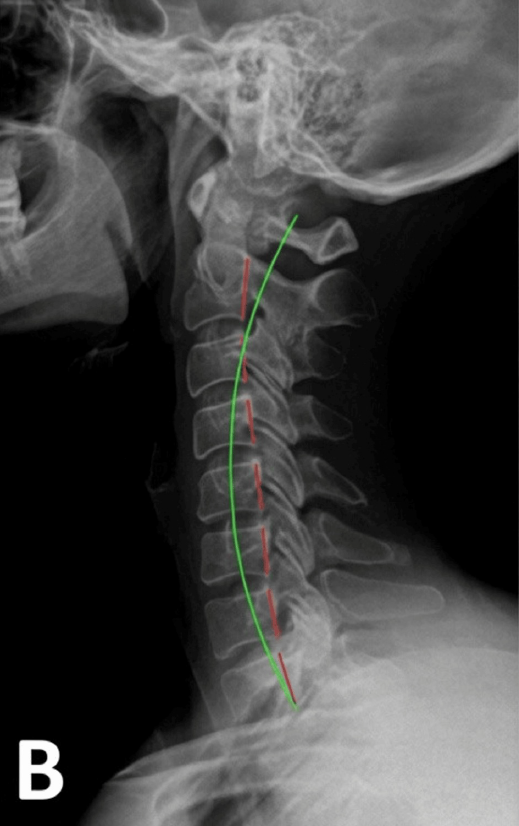
At her one‑year follow‑up, the improvements were still stable. Her cervical curve remained corrected, and she continued to report no dizziness or fainting episodes.
This case adds to a growing body of research suggesting that restoring cervical alignment may positively influence neurological symptoms such as dizziness, balance disturbances, and even syncope in certain patients. While every individual is different, and proper medical evaluation is essential, structural rehabilitation may offer a promising conservative option for those struggling with cervicogenic dizziness.
If you’ve been experiencing dizziness, neck pain, or balance issues — especially with certain head movements — a detailed structural evaluation of your spine may help uncover contributing factors. Our clinic provides evidence‑based assessments and personalized corrective care to support long‑term spinal health and function.
Rivera Ortiz V, Haas JW, Oakley PA, Norton TC, Harrison DE. Resolution of Cervicogenic Dizziness, Syncope, and Neck Pain Following Restoration of Cervical Lordosis Using Chiropractic BioPhysics® Orthopedic Rehabilitation: A Case Report With One-Year Follow-Up. Cureus. 2026;18(8):e114624. doi: 10.7759/cureus.114624